EXPOSICIONES

In the American West

Richard Avedon

6 jun. — 30 ago. 2026

Fundación MAPFRE

— Madrid

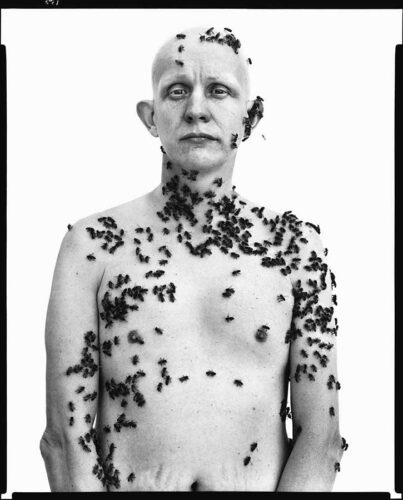
Richard Avedon, Ronald Fischer, beekeeper, Davis, California, May 9, 1981. ©The Richard Avedon Foundation
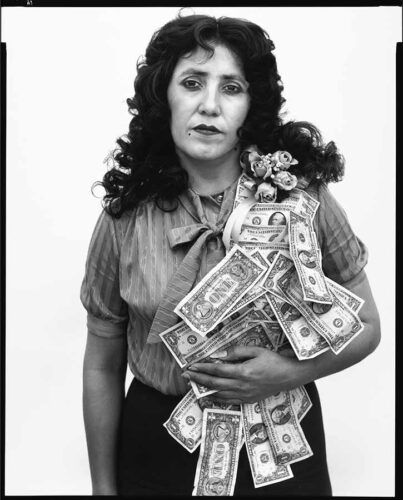
Richard Avedon, Petra Alvarado, factory worker, on her birthday, El Paso, Texas, April 22, 1982. ©The Richard Avedon Foundation
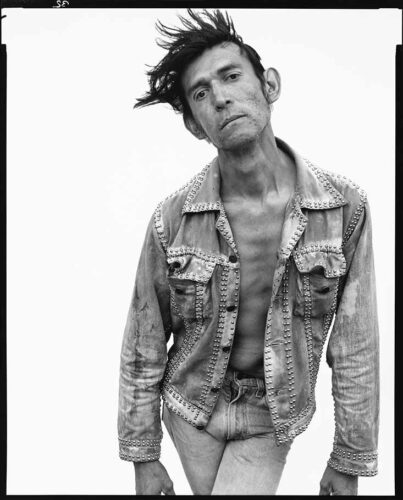
Richard Avedon, David Beason, shipping clerk, Denver, Colorado, July 25, 1981. ©The Richard Avedon Foundation
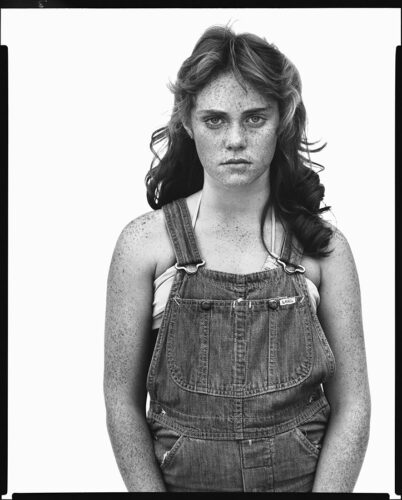
Richard Avedon, Sandra Bennett, twelve year old, Rocky Ford, Colorado, August 23, 1980. ©The Richard Avedon Foundation
Esp
  • Es la gran obra maestra de Richard Avedon y le consolidó como una figura fundamental en la evolución del retrato fotográfico.

  • La exposición incluye materiales inéditos que revelan el proceso de creación del proyecto.

Esta exposición rinde homenaje al fotolibro In the American West, publicado en 1985. Por encargo del Amon Carter Museum of American Art de Fort Worth, Texas, en los periodos estivales de los cinco años precedentes, Richard Avedon (Nueva York, EE. UU., 1923 – Texas, EE. UU., 2004) y sus ayudantes recorrieron el Oeste y visitaron localidades de veintiún estados para completar el proyecto, considerado su obra maestra.

Pertrechados de una cámara de gran formato (20 × 25 cm) montada sobre un trípode, fotografiaron de frente, sobre un fondo blanco y con luz natural, a más de mil personas —mineros, rancheros, vagabundos, feriantes, trabajadores de fábricas o camareros—. Avedon se interesó por una forma más bien rudimentaria de retrato similar al método de los fotógrafos itinerantes que en la época de la conquista del Oeste cruzaban el país de ciudad en ciudad.

En el curso de su trayectoria artística, Avedon sintió la necesidad de expresar su punto de vista sobre cuestiones como los derechos civiles de los afroamericanos o sobre la guerra de Vietnam. En esta ocasión volvió a pronunciarse sobre la situación que estaba atravesando Estados Unidos, mostrando las clases trabajadoras relegadas a los márgenes de la sociedad por las agresivas políticas neoliberales del presidente republicano Ronald Reagan.

Las imágenes se presentan de forma lineal y siguiendo el orden de aparición en el libro. Son copias de referencia en las que el fotógrafo trabajó codo a codo con su laboratorio y constituyen, por tanto, un conjunto fiel a la visión original del fotógrafo. También forman parte de la exposición materiales inéditos que revelan el proceso de elaboración del proyecto.

Eng
  • It is the great masterpiece of Richard Avedon and it established him as a key figure in the evolution of photographic portraiture.

  • The exhibition includes previously unseen materials that reveal the creative process behind the project.

This exhibition pays tribute to the photobook In the American West, published in 1985. Commissioned by the Amon Carter Museum of American Art in Fort Worth, Texas, during the summers of the preceding five years, Richard Avedon (New York, US, 1923 – Texas, US, 2004) and his assistants travelled across the American West, visiting towns in twenty-one states to complete what is widely considered his masterpiece.

Equipped with a large-format camera (20 × 25 cm) mounted on a tripod, they photographed more than a thousand people—miners, ranchers, drifters, fair workers, factory workers, and waiters—frontally, against a white background and using natural light. Avedon embraced a deliberately direct and austere approach to portraiture, akin to that of itinerant photographers who travelled from town to town during the period of westward expansion.

Throughout his career, Avedon sought to articulate his perspective on issues such as African American civil rights and the Vietnam War. In this project, he once again addressed the condition of the United States, portraying working-class individuals pushed to the margins of society by the aggressive neoliberal policies of Republican President Ronald Reagan.

The images are presented sequentially, following the order of the book. They are reference prints produced in close collaboration with the artist’s laboratory, forming a body of work that remains faithful to his original vision. The exhibition also includes previously unseen materials that shed light on the development of the project.