Artista
Sonia Celma
Ediciones
PHE 26
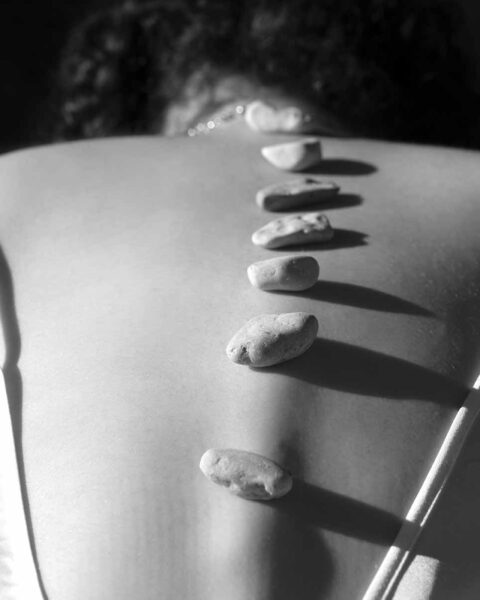
Arquitectura, música y fotografía articulan la práctica de Sonia Celma (Alcañiz, 1974), entendidas como un campo expandido donde forma, tiempo y espacio se construyen de manera interdependiente. Su trabajo se sitúa en la intersección de estas disciplinas, no como elementos separados, sino como estructuras que se contaminan y se activan mutuamente en el proceso de creación.
La formación arquitectónica de Celma ha determinado una mirada atenta a la organización del espacio y a sus condiciones materiales y simbólicas. La música, por su parte, introduce en su pensamiento visual una noción de ritmo y composición que trasciende lo puramente visual. Es, sin embargo, la fotografía la que le permite acceder a una dimensión más íntima y humana del habitar, observando al sujeto en su relación con los espacios que ocupa y transforma.
En este cruce disciplinar, su obra explora cómo el ser humano construye y es construido por los entornos que habita, así como las formas de refugio emocional que emergen en la experiencia sonora. El resultado es una práctica que entiende la imagen como un espacio de resonancia entre percepción, memoria y experiencia.