

EXPOSICIONES
Fotografías de guerra (1974-1985)
Arturo Pérez-Reverte
6 may. — 31 may. 2026
Ateneo de Madrid
— Madrid
Inauguración
6 de mayo, 19h
Organiza
Alfaguara y La Fábrica
Horarios de la sede
Martes a sábado 12h a 20h
Domingos de 12h a 14h
Sede
Ateneo de Madrid
C/ del Prado, 21
Entrada
Entrada libre
Mapa
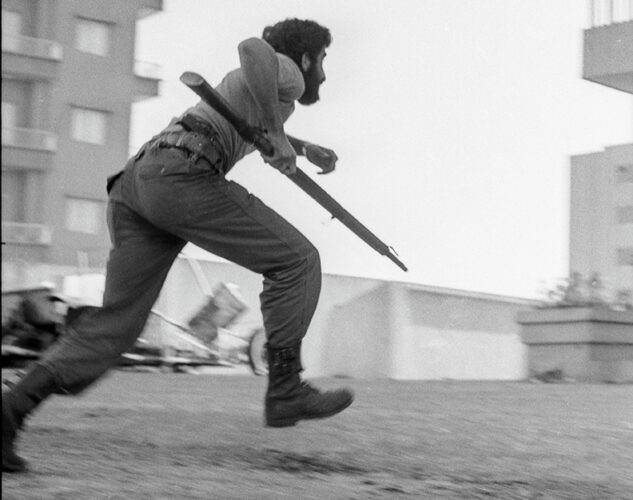
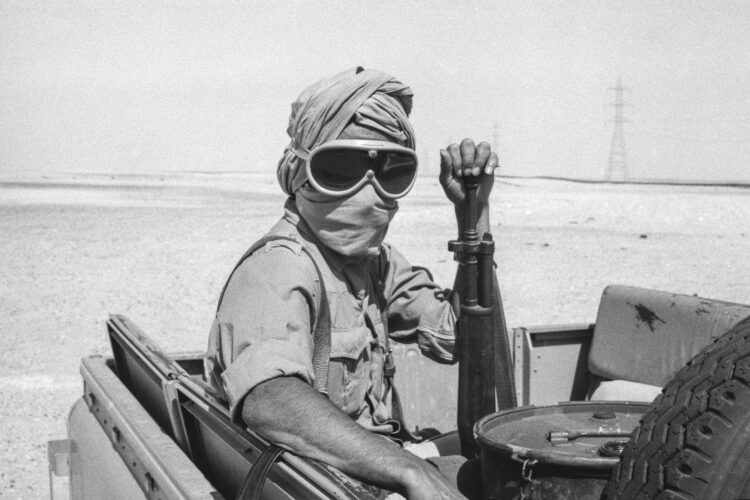
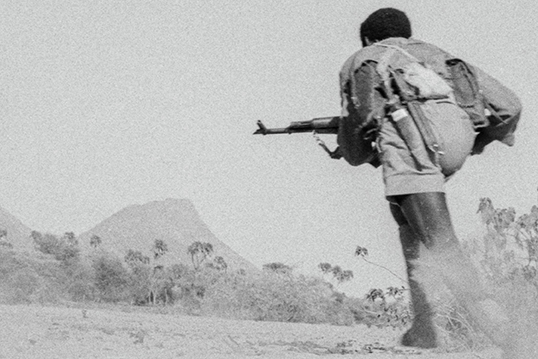
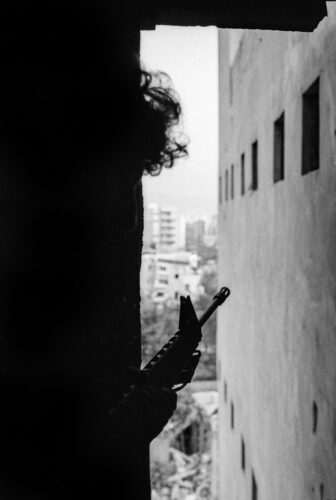
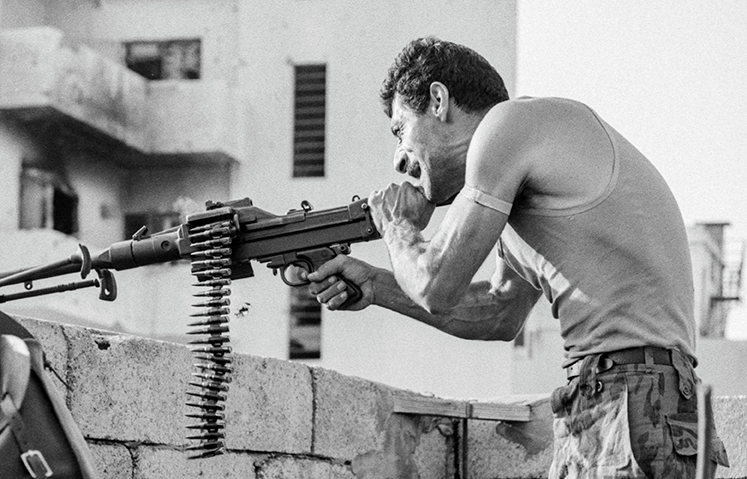
A mediados de los años 70, Arturo Pérez-Reverte (Cartagena, 1951) empezó a moverse por la vasta geografía de las catástrofes cargado con una Olivetti Lettera 32 y un par de cámaras colgadas al cuello.
En Oriente Medio, Angola, El Salvador o los Balcanes, aprendió como joven reportero que la guerra se parecía muy poco a lo que había leído o imaginado hasta entonces: era una sucesión de monotonías y brutalidades, de esperas largas y sucesos rápidos, miradas cansadas, hombres a los que veía envejecer, como él mismo, en sólo unos días. Durante más de veinte años caminó por ese mundo intentando comprender. No contaba ni fotografiaba la guerra: contaba y fotografiaba al ser humano dentro de ella.
Una selección de esos negativos, olvidados en cajas durante más de 35 años, forman parte ahora de la primera exposición que se dedica a su trabajo como fotorreportero.
In the mid-1970s, Arturo Pérez-Reverte (Cartagena, 1951) began to move across the vast geography of catastrophe, carrying an Olivetti Lettera 32 typewriter and a pair of cameras slung around his neck.
In the Middle East, Angola, El Salvador, and the Balkans, he learned as a young reporter that war bore little resemblance to what he had read or imagined until then: it was a succession of monotony and brutality, of long waits and sudden events, of weary gazes, of men whom he watched age, as he himself did, over the course of just a few days. For more than twenty years, he walked through that world in an attempt to understand it. He did not narrate or photograph war itself; rather, he documented and portrayed the human being within it.
A selection of these negatives, forgotten in boxes for more than thirty-five years, now forms part of the first exhibition devoted to his work as a photojournalist.