

EXPOSICIONES
Bunny
Talia Chetrit
6 jun. — 30 ago. 2026
Museo Lázaro Galdiano
— Madrid

Inauguración
5/6/2026
Comisariado por
Stella Bottai
Organiza
Fundación Loewe
Horarios de la sede
Martes a domingo
10:00-15:00
Sede
Museo Lázaro Galdiano
Serrano, 122
Mapa
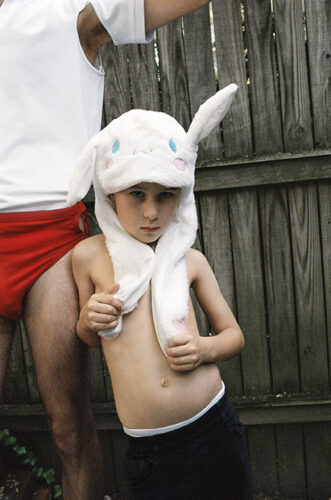
Para su primera exposición individual institucional en España, la fotógrafa Talia Chetrit (Washington D.C., EE. UU., 1982) presenta Bunny, una selección de obras que se mueve de manera lúdica entre retrato, fotografía escenificada (tableaux) y naturaleza muerta. La artista propone un enfoque curatorial distintivo, poniendo en diálogo imágenes del pasado y del presente dentro de una misma secuencia visual.
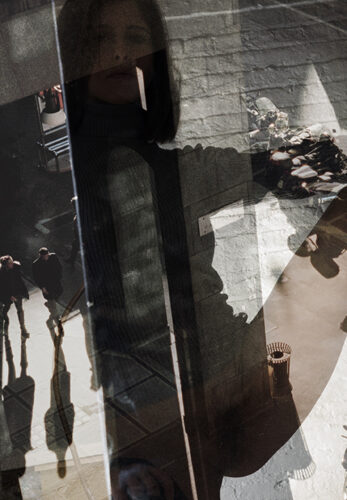
Las fotografías de Chetrit parecen escapar a los límites del tiempo y el espacio, capturando fascinaciones y paradojas humanas que a veces recuerdan a la pintura clásica. En lugar de ofrecer una representación directa de su esfera personal, emplea el exhibicionismo y la vulnerabilidad como elementos de puesta en escena teatral. Sus sujetos—desde familiares y amigos hasta temas de paternidad y erotismo—se muestran desde múltiples puntos de vista, cercanos y lejanos, desde arriba y desde abajo. Su estilo es a la vez reconocible y esquivo.
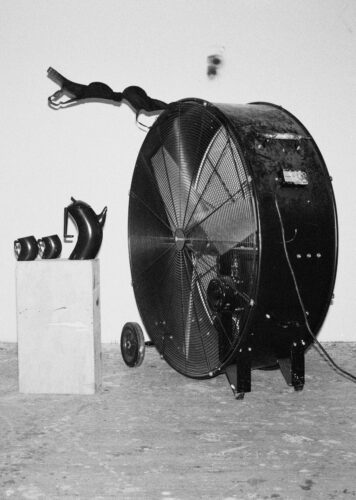
El título de la exposición, Bunny, refleja la sensibilidad de sus imágenes: cruda, seductora y lúdicamente performativa. En su obra, la línea entre verdad y ficción queda abierta a la negociación entre artista y espectador. La fotografía se convierte en medio y en objeto, destacando como condición material a través de la cual las imágenes se superponen, se expanden y se transforman. Las obras varían en escala: las impresiones en blanco y negro invitan a una observación íntima, mientras que las fotografías a gran formato en color imponen su presencia física e involucran el cuerpo del espectador.
For her first institutional solo exhibition in Spain, photographer Talia Chetrit (Washington D.C., U.S., 1982) presents Bunny, a selection of works that moves playfully between portraiture, tableaux, and still life. The artist proposes a distinctive curatorial approach, placing past and present photographs in dialogue within a single visual sequence. These juxtapositions recode older images, creating simultaneity—both visual and semantic—between subjects and scenes that might otherwise feel distant.
Chetrit’s photographs seem to escape the limits of time and space, capturing human fascination and paradox in ways that sometimes recall classical painting. Rather than offering a straightforward depiction of her personal sphere, she employs exhibitionism and vulnerability as elements of theatrical staging. Her subjects—from family and friends to themes of parenthood and eroticism—are shown from multiple viewpoints, near and far, above and below. Her style is at once recognizable and elusive.
The exhibition’s title, Bunny, reflects the sensibility of her images: raw, seductive, and playfully performative. In her work, the line between truth and fiction remains open to negotiation between artist and viewer. Photography becomes both medium and object, highlighted as a material condition through which images are layered, extended, and transformed. The works vary in scale: intimate black-and-white prints invite close observation, while large-format color photographs assert a physical presence and engage the viewer’s body.