Artista
Robert Frank
Ediciones
PHE 26
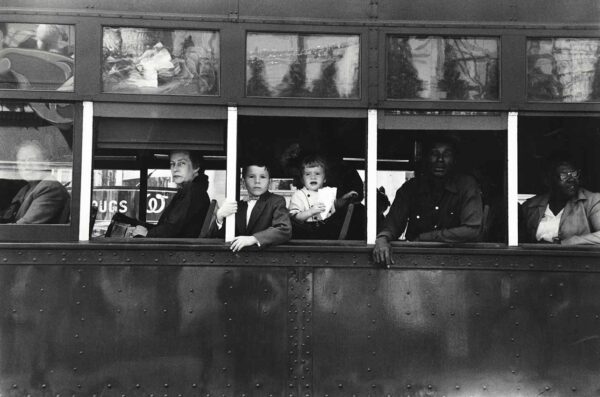
Robert Frank (1929–2019) es una figura clave en la renovación del lenguaje fotográfico del siglo XX. Su obra desplaza los cánones clásicos hacia una mirada subjetiva, poética y fragmentaria, en la que la fotografía deja de ser un registro ordenado para convertirse en una experiencia visual abierta y emocional.
Frente a la tradición de la fotografía de salón y al discurso documental más normativo, Frank construye una práctica que evita la lección moral o la narrativa cerrada. Su interés se centra en los estados de ánimo, las atmósferas y las tensiones invisibles de lo cotidiano, configurando una estética existencial que redefine la idea de belleza.
The Americans (1958), su fotolibro más influyente, marca un punto de inflexión en la historia del medio al proponer una lectura secuencial de imágenes que funcionan como fragmentos de un poema visual. En lugar de describir, Frank sugiere; en lugar de explicar, insinúa.
Su trayectoria, vinculada a la Generación Beat, se caracteriza por una actitud independiente y antimaterialista que refuerza la dimensión crítica y lírica de su obra. Su legado sigue siendo fundamental en la comprensión contemporánea de la fotografía.